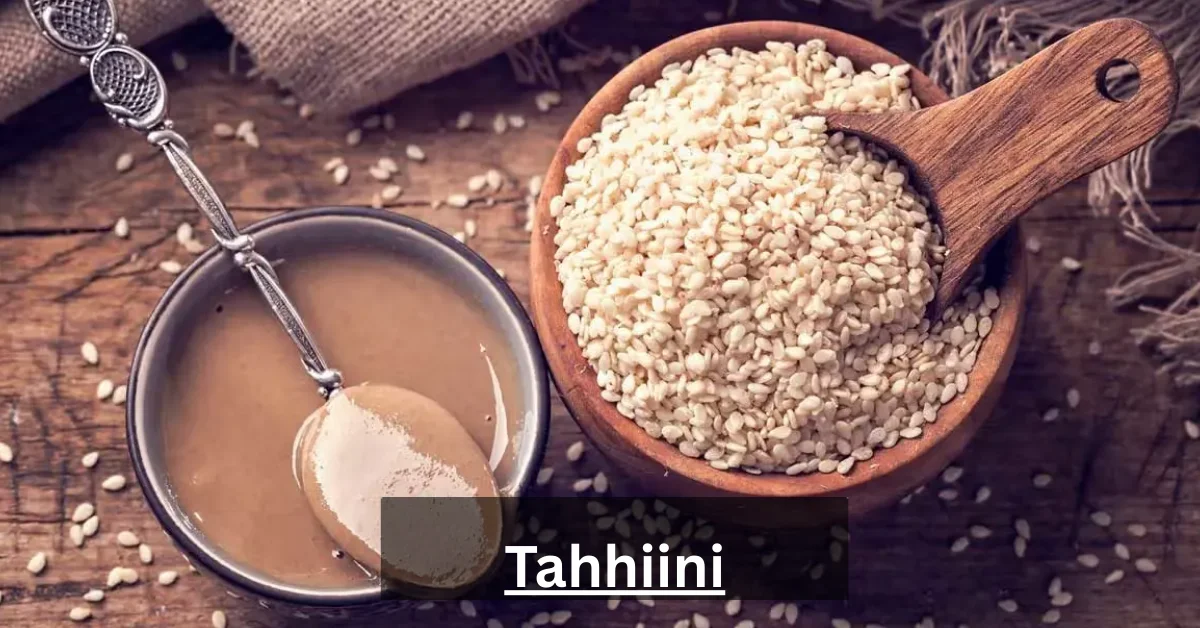
Tahhiini is a creamy paste made from ground sesame seeds, often celebrated for its rich, nutty flavor and versatility in the kitchen. Known globally as tahini, tahhiini is a staple in Middle Eastern cuisine and Mediterranean food, where it enhances both savory and sweet dishes. Its smooth texture allows it to blend seamlessly into sauces, dips, and dressings, making it a favorite ingredient among chefs and home cooks alike.
Tahhiini’s popularity stems not only from its flavor but also from its nutritional power. In countries like Lebanon, Israel, Turkey, and across North Africa, tahhiini has been a dietary mainstay for centuries, often served with classics like hummus, baba ghanoush, and falafel. Its versatility makes it perfect for drizzling over pita bread, mixing with lemon juice and olive oil for dressings, or adding depth to sauces and desserts.
Tahhiini is a calcium-rich paste, packed with healthy fats, plant-based protein, and essential vitamins. Its creamy consistency and nutty flavor paste make it a delicious way to enhance the nutritional profile of meals. Beyond flavor, it offers natural antioxidants, contributing to heart health and overall wellness.
RELATED: Lustmap24: Explore Social Connections on a Map
History and Origins of Tahhiini
Ancient Roots of Sesame Seeds and Tahhiini
Sesame seeds, the foundation of tahhiini, have been cultivated for thousands of years. Originating in ancient Mesopotamia and the Indus Valley, sesame seeds were prized for their oil and nutritional value. Early civilizations recognized their ability to preserve energy, making them an essential part of daily diets.
Cultural Significance in Lebanon, Israel, Turkey, and North Africa
Throughout history, tahhiini became more than just a food—it evolved into a cultural symbol. In Lebanon and Israel, tahhiini has been central to celebrations and traditional dishes. Turkish cuisine uses it generously in desserts and savory spreads, while North African nations blend it into sauces and dressings, highlighting its global culinary influence.
Evolution of Tahhiini in Modern Cuisine
Today, tahhiini is embraced worldwide. From classic hummus bowls to fusion dishes like tahhiini-laced pasta sauces and desserts, its presence has expanded far beyond its historical roots. Its ability to combine nutrition and flavor ensures tahhiini remains relevant in modern kitchens and healthy diets.
Understanding Tahhiini vs Tahini
Differences Between Tahhiini, Tahini, and Sesame Paste
Although the terms tahhiini, tahini, and sesame paste are often used interchangeably, subtle differences exist. Tahhiini typically refers to finely ground sesame paste in Middle Eastern culinary contexts. Tahini may be used more broadly internationally, while sesame paste is often unhulled and sometimes more bitter. Understanding these distinctions helps in choosing the right type for recipes.
Light vs Dark Tahhiini
Light tahhiini, made from hulled sesame seeds, offers a milder flavor and smoother texture, perfect for creamy dips and dressings. Dark tahhiini, made from unhulled seeds, provides a richer, more robust taste, ideal for baking and traditional dishes.
Raw vs Toasted Sesame Seeds
Raw tahhiini delivers a subtle, slightly sweet flavor, while toasted sesame seeds produce deeply nutty and aromatic tahhiini. Selecting the right variant depends on the dish and personal preference, as each type enhances flavors differently.
Nutritional Benefits of Tahhiini
Rich Source of Plant-Based Protein and Healthy Fats
Tahhiini is a powerhouse for plant-based diets, providing essential protein and monounsaturated fats. These healthy fats support heart function, improve cholesterol levels, and help sustain energy throughout the day.
Vitamins, Minerals, and Antioxidants
Tahhiini is a calcium-rich paste, offering minerals like magnesium, phosphorus, and iron. It also contains antioxidants that combat free radicals, promoting cellular health and longevity. Its nutrient-dense profile makes it a superfood in a jar.
Health Benefits: Heart Health, Bone Strength, and Anti-Inflammatory Properties
Regular consumption of tahhiini may support bone health, reduce inflammation, and improve cardiovascular wellness. Incorporating it into daily meals enhances nutrition without compromising taste, making it ideal for both adults and children.
How to Make Tahhiini at Home
Step-by-Step Recipe for Creamy Tahhiini
- Ingredients: 1 cup sesame seeds, 2–3 tablespoons olive oil, optional salt.
- Toast Seeds: Lightly toast sesame seeds to enhance flavor.
- Grind Seeds: Use a food processor until smooth and pasty.
- Add Oil: Slowly add olive oil to achieve creamy consistency.
- Optional Flavorings: Add honey, garlic, or lemon juice for variations.
Tips for Achieving Perfect Texture and Flavor
- Stir often to prevent clumping
- Adjust oil to desired creaminess
- Store in airtight jars for freshness
Variations: Sweet, Savory, and Infused Tahhiini
Sweet tahhiini can be blended with honey for desserts. Savory versions pair with garlic and lemon juice for sauces or dressings. Infused tahhiini with spices like cumin or paprika enhances Middle Eastern dishes.
Culinary Uses of Tahhiini
Classic Recipes: Hummus, Baba Ghanoush, Falafel
Tahhiini is a key hummus ingredient, giving the dip a smooth, creamy texture. In baba ghanoush, it balances the smokiness of roasted eggplant. Drizzled over falafel, tahhiini adds richness while complementing crispy textures.
Salad Dressings and Sauces
Mix tahhiini with lemon juice, olive oil, and garlic for a versatile dressing. It can elevate salads, roasted vegetables, or grain bowls with a creamy, nutty finish.
Baking and Desserts with Tahhiini
Tahhiini adds a unique flavor to cookies, cakes, and pastries. Its nutty flavor paste pairs beautifully with chocolate, honey, and spices like cinnamon or cardamom.
Fusion Dishes and Modern Twists
Tahhiini’s versatility makes it perfect for modern culinary experimentation. Try tahhiini in pasta sauces, smoothie bowls, or vegan spreads on pita bread for creative fusion dishes.
Choosing and Storing Tahhiini
How to Select High-Quality Tahhiini in Stores
Look for natural tahhiini without additives or preservatives. Organic or stone-ground varieties often offer the best flavor and nutritional value. Check the color—light for mild flavor, dark for robust taste.
Raw vs Roasted Tahhiini: Which is Better?
Raw tahhiini is ideal for health-focused dishes, preserving natural nutrients. Roasted tahhiini delivers a richer, nuttier flavor, perfect for traditional recipes and sauces.
Storage Tips to Keep Tahhiini Fresh Longer
Store tahhiini in an airtight container, preferably refrigerated. Stir before use, as natural oils may separate. Proper storage ensures longevity while maintaining flavor and texture.
Tahhiini in a Healthy Lifestyle
Benefits for Vegan and Plant-Based Diets
Tahhiini is a vegan condiment rich in protein and healthy fats, making it an essential ingredient for plant-based nutrition. It provides a natural source of minerals often lacking in vegan diets.
Role in Weight Management and Energy Boosting
Despite being calorie-dense, tahhiini supports satiety and sustained energy, making it ideal for weight-conscious individuals. Its healthy fats fuel the body and help maintain metabolic balance.
Tahhiini as a Natural Source of Nutrients for All Ages
From children to adults, tahhiini provides essential nutrients like calcium, magnesium, and iron, supporting bone strength, cognitive health, and immunity. Its versatility ensures it can be easily added to daily meals.
RELATED: Fedsolife: Trendy Jewelry for Every Budget
Frequently Asked Questions
Can tahhiini be used in desserts?
Yes! Blend with honey, chocolate, or cinnamon for cookies, cakes, and sweet spreads.
How long does tahhiini last?
Refrigerated tahhiini can last up to 6 months. Always stir before use.
Is tahhiini good for kids?
Absolutely. Its nutrients support growth, bone health, and sustained energy.
Can I make tahhiini without a food processor?
Yes, with a mortar and pestle, though it requires more effort for a smooth consistency.
Does tahhiini help with inflammation?
Yes, sesame seeds contain anti-inflammatory compounds beneficial for overall health.
Summary
Tahhiini is more than a sesame paste; it is a nutritious superfood that enhances flavor and health in countless ways. From Middle Eastern classics like hummus and baba ghanoush to modern fusion dishes, its versatility and richness make it a kitchen essential.
Whether homemade or store-bought, tahhiini brings together taste, nutrition, and cultural heritage in a creamy, luxurious form. Incorporating tahhiini into your daily meals ensures a boost of plant-based protein, healthy fats, and natural antioxidants—all while enjoying a nutty, satisfying flavor that elevates every dish.
Make tahhiini a pantry staple today and unlock endless culinary possibilities with this creamy, nutritious, and utterly delicious sesame spread.