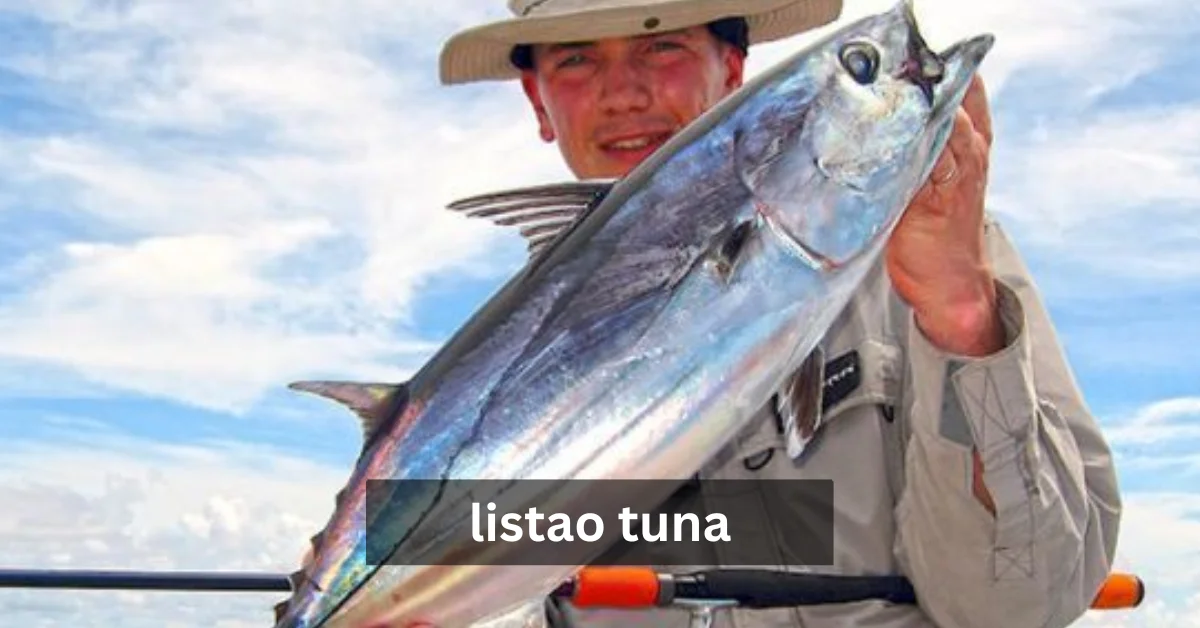
Listao tuna, scientifically known as Katsuwonus pelamis, is a species of small to medium-sized tuna commonly found in tropical and subtropical oceans worldwide. Often referred to as skipjack tuna in English or light tuna in canned products, listao tuna is one of the most widely consumed fish globally. Its affordability, high nutritional value, and versatile culinary applications make it a staple in households, restaurants, and commercial food industries.
Listao tuna plays a crucial role in global seafood markets, providing a source of lean protein and essential omega-3 fatty acids. Beyond nutrition, it also supports millions of livelihoods through fishing industries across the Pacific Ocean, Indian Ocean, and Atlantic Ocean. Understanding this species allows consumers and chefs alike to make informed choices about sustainable seafood while enjoying its distinct flavor and health benefits.
History and Global Distribution
Historically, listao tuna has been integral to human diets, particularly in coastal regions of Japan, Hawaii, Indonesia, and the Maldives. Ancient fishing practices involved handlines and traditional techniques, emphasizing the cultural connection between communities and the ocean. Over time, modern fishing methods have expanded its reach, making listao tuna accessible worldwide.
Geographically, listao tuna thrives in the warm waters of the Pacific, Atlantic, and Indian Oceans. Major countries involved in listao tuna fishing include Japan, the Philippines, Indonesia, Spain, and the Maldives. In Japan, it is highly prized for katsuobushi, dried skipjack tuna flakes used to flavor miso soups and other dishes. In Hawaii, listao tuna is essential for poke bowls, while in Indonesia, it is known as cakalang and forms the base of traditional dishes. Its widespread presence underscores its importance in global culinary traditions and fisheries.
Biology and Life Cycle of Listao Tuna
Belonging to the Scombridae family, listao tuna is a pelagic fish, meaning it inhabits open waters rather than staying near the ocean floor. Physically, it has a streamlined body, dark stripes along its belly, and a silvery dorsal side that helps it blend into the water, avoiding predators. Typically, adult listao tuna weigh between 8 to 40 pounds and measure around 60 to 80 centimeters in length.
Behaviorally, listao tuna is known for schooling and migrating in large shoals, a survival strategy that also aids in finding food efficiently. Its diet consists primarily of small fish, crustaceans, and plankton. Reproductively, listao tuna spawns in warm tropical waters, producing thousands of eggs that hatch in a matter of days. As a pelagic predator, it plays a crucial role in marine ecosystems by maintaining the balance of smaller fish populations and supporting larger predators such as sharks and marlins.
Fishing Methods and Sustainability
Listao tuna fishing involves several methods, each with unique sustainability implications. Traditional pole-and-line fishing is highly selective, allowing fishers to catch individual tuna while minimizing bycatch. Purse seine nets, though efficient for commercial purposes, can lead to unintended capture of non-target species, requiring careful management. Longline fishing, while less common for skipjack, poses similar bycatch concerns.
Sustainable fishing practices for listao tuna are increasingly promoted by organizations such as the Marine Stewardship Council (MSC), Friend of the Sea, and the International Seafood Sustainability Foundation (ISSF). These certifications ensure that tuna stocks remain healthy, bycatch is minimized, and ecosystems are preserved. Labels like dolphin-safe tuna further inform consumers about ethical choices. Proper fishery management, including quotas set by the International Commission for the Conservation of Atlantic Tunas (ICCAT), helps maintain balance in ocean ecosystems while supporting livelihoods.
Nutritional Value and Health Benefits
Listao tuna is a powerhouse of nutrients. It is a rich source of lean protein, providing essential amino acids that support muscle growth and overall health. Additionally, it contains high levels of omega-3 fatty acids, which are known to reduce inflammation, improve heart health, and enhance cognitive function.
Beyond fats and protein, listao tuna offers essential vitamins and minerals, including vitamin B12, selenium, and niacin. Compared to larger tuna species, listao tuna is considered a low-mercury fish, making it safer for frequent consumption. Regular inclusion of listao tuna in the diet supports balanced nutrition, promotes cardiovascular health, and contributes to a diet rich in heart-healthy seafood.
Culinary Uses and Popular Recipes
Listao tuna is incredibly versatile in culinary applications. Fresh listao tuna can be prepared as steaks, grilled, seared, or enjoyed raw as tuna sashimi or in sushi. Its firm texture and rich flavor make it ideal for diverse cooking styles. In Hawaii, it is a primary ingredient in poke bowls, combined with rice, vegetables, and flavorful marinades.
Canned listao tuna is equally popular, used in salads, sandwiches, casseroles, and pasta dishes. Its convenience and affordability make it a pantry staple worldwide. Traditional dishes also highlight its cultural importance: katsuobushi in Japanese cuisine, cakalang in Indonesia, and Maldivian fish curries showcase listao tuna’s adaptability. Cooking tips include lightly searing steaks to preserve omega-3 content and avoiding overcooking canned tuna to maintain flavor and texture.
Listao Tuna vs Other Tuna Species
Listao tuna differs from other species like albacore, yellowfin, and bluefin tuna in several ways. Its meat is darker, with a stronger flavor, making it ideal for rich, savory dishes, while albacore is milder and often marketed as “white tuna.” Yellowfin and bluefin are larger, have higher fat content, and are commonly used for sushi-grade cuts.
Nutritionally, listao tuna is leaner and lower in mercury than bluefin or albacore, making it safer for frequent consumption. Each species has distinct culinary uses: listao tuna excels in canned products and robust dishes, while albacore is preferred for salads and raw preparations. Understanding these differences allows chefs and consumers to make informed choices based on taste, health, and sustainability.
Economic Importance and Market Trends
Globally, listao tuna accounts for a significant portion of the tuna market. Major producers include Japan, the Philippines, Indonesia, and Spain, while importing nations span North America, Europe, and Asia. Brands focusing on best listao tuna products often emphasize sustainability and quality to meet consumer demand.
Market trends indicate growing interest in sustainable listao tuna, with certifications like MSC and Friend of the Sea becoming important purchasing factors. Increased awareness of ocean conservation has led to a shift toward ethically sourced seafood. As a result, the global demand for listao tuna continues to rise, making it a key commodity in the seafood industry.
Frequently Asked Questions
Is listao tuna safe to eat regularly?
Yes. Compared to larger tuna species, listao tuna is low in mercury and rich in nutrients, making it safe for regular consumption.
How can I identify sustainably sourced listao tuna?
Look for certifications like MSC, Friend of the Sea, or labels indicating dolphin-safe practices. These assure responsible fishing methods.
Can listao tuna be eaten raw?
Absolutely. Fresh listao tuna is commonly used in tuna sashimi, sushi, and poke bowls, provided it is handled safely.
What dishes are best for listao tuna?
It excels in canned salads, tuna sandwiches, casseroles, seared steaks, sashimi, poke bowls, and traditional dishes like katsuobushi and cakalang.
Difference between “light tuna” and listao tuna?
“Light tuna” often refers to canned skipjack/listao tuna, whereas albacore is typically labeled as “white tuna.” Light tuna has a stronger flavor and darker meat.
Summary
Listao tuna, or Katsuwonus pelamis, is a nutritious, versatile, and globally significant species. Its role spans cultural, culinary, and economic domains, supporting diverse cuisines and millions of livelihoods. Rich in lean protein, omega-3 fatty acids, vitamin B12, and selenium, it provides substantial health benefits while remaining low in mercury compared to other tuna species.
Sustainable fishing practices, including pole-and-line fishing, MSC certification, and dolphin-safe labels, allow consumers to make responsible choices that protect marine ecosystems. Whether enjoyed as fresh tuna steaks, canned tuna for salads, or traditional dishes like katsuobushi and poke bowls, listao tuna continues to be a staple of healthy, sustainable, and flavorful eating.
By understanding its biology, culinary potential, and environmental significance, consumers can appreciate listao tuna not only for its taste but also for its role in supporting ocean health and sustainable seafood practices. Its popularity is set to grow as awareness of nutrition, sustainability, and global seafood heritage expands.
Stay tuned with Cherrysakura!